1. The First Morning: Fog, Coffee, and Cobblestones
The soft morning fog had just begun to lift as I stepped out into the quiet streets of downtown Sherbrooke. The crisp Quebec air carried the scent of wet stone and old brick—two materials that make up much of the architecture in this city. A gentle breeze stirred the leaves overhead, many of them already shifting into hues of gold and crimson, the season’s whisper that autumn was settling in.
With a locally brewed coffee in hand, I began walking down Rue Wellington, the main artery of Sherbrooke’s historic core. It’s not just a commercial hub; it’s a living museum. The storefronts here, many housed in 19th-century brick buildings, still carry the architectural fingerprints of an earlier, industrious age. Ornate cornices, arched windows, and wrought iron balconies speak silently of a time when craftsmanship was a matter of pride.
2. Discovering the Sherbrooke Historical District
I took a left onto Rue Frontenac, passing beneath a lamppost that looked as though it had stood there since electric light first arrived in Sherbrooke. Just ahead, I found one of the city’s most captivating buildings—La Maison de l’Archevêque, a stately Victorian residence that once housed ecclesiastical dignitaries. The intricate woodwork around the windows and the commanding central tower reminded me of the blend between French colonial elegance and Victorian ambition.
Wandering deeper into the Old North Ward, I began to notice how Sherbrooke’s buildings seem to be in dialogue with the past. Some wear their age like a medal; others show the wear and tear of time with a kind of battered dignity. The sidewalks are uneven in places—each slab of stone potentially laid by hand over a century ago.
At the corner of Dufferin and Belvédère, I came across the Sherbrooke Historical Society, which occupies the former Eastern Townships Bank building—a Beaux-Arts gem with Greco-Roman columns and an imposing stone facade. Stepping inside was like entering a different century. Behind the glass cases were artifacts of everyday life from the early 1900s: handwritten letters, iron cooking pots, delicate lace collars, and sepia photographs of solemn faces in rigid poses.
3. The Grande Dame: St. Michel’s Cathedral-Basilica
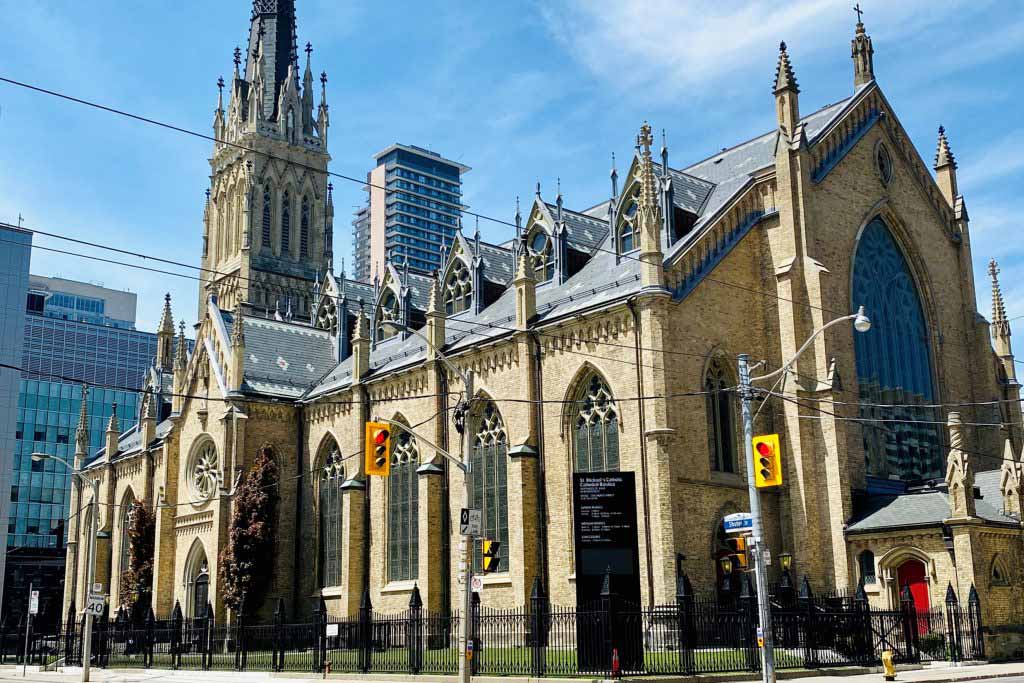
The skyline of Sherbrooke is modest, but one silhouette dominates—the twin spires of St. Michel’s Cathedral-Basilica. Walking up Rue Marquette, I approached the church with a mix of reverence and curiosity. The limestone walls glowed faintly in the soft morning light, their weathered texture revealing the countless winters they’d endured.
Inside, the high ceilings and stained glass windows cast a spell of stillness. The scent of incense clung faintly to the air, and my footsteps echoed across the marble floor. A woman was quietly lighting a candle in one of the side chapels. The organ above the entrance stood like a sleeping dragon—immense and coiled, waiting for the right moment to roar into sound.
The cathedral’s construction began in the late 1800s, and as I ran my fingers along a stone pillar near the altar, I tried to imagine the masons who had laid each block. What conversations did they have? What did they eat for lunch? Did they understand they were creating something that would outlive them by centuries?
4. A Walk Along the Magog River Gorge
No historical journey in Sherbrooke is complete without tracing the Magog River, which slices through the city and provided the energy for its early industries. I followed the riverside path down to the Frontenac Hydroelectric Station, one of the oldest functioning hydro plants in Canada. The building itself is built in a classical industrial style—sturdy stone, large arched windows, and the kind of symmetry that makes engineers smile.
Looking into the churning waters below, I imagined what this place must have looked like in 1908 when the station first began operating. The noise of gears and steam, the smoke from chimneys, and the shouted commands of foremen echoing over the river. The plant powered textile mills, printing shops, and early electric lighting. Standing there, it felt less like viewing history and more like touching it.
5. Lennoxville and the Echoes of English Sherbrooke
In the southern borough of Lennoxville, Sherbrooke’s Anglo-Protestant roots still resonate. I spent an afternoon walking the grounds of Bishop’s University, one of Canada’s oldest liberal arts institutions. The campus is a blend of Gothic revival buildings with ivy-covered stone walls, wrought-iron fences, and manicured lawns.
I stepped into St. Mark’s Chapel, built in 1857. Wooden pews, stained glass imported from England, and a modest pipe organ created a space of quiet solemnity. Unlike the grandeur of St. Michel’s, this chapel had a more introspective energy—less about power, more about peace.
At the nearby Old Library, I found an unexpected trove of 19th-century books—leather-bound, their spines faded with time. A volunteer librarian, a woman in her seventies with a voice as gentle as linen, told me stories about the students who passed through these halls in the 1920s, many of whom later served in two world wars.
6. Mansions of the Industrial Elite
Moving back toward the city center, I took a self-guided walking tour of Queen Street and Albert Street, where Sherbrooke’s 19th-century elite built their grand homes. These residences are architectural love letters to the Gilded Age. Queen Anne-style mansions, Italianate villas, and Second Empire homes sit proudly behind wrought-iron fences, their turrets and gables standing like sentinels of the past.
One particular house, the Doherty Mansion, caught my attention. Now a cultural center, its ornate woodwork, stained glass windows, and wraparound porch made it a showpiece of Victorian affluence. Inside, a local art exhibit coexisted with the original interiors—velvet drapes, ornate chandeliers, and parquet flooring that creaked softly with each step.
7. The Old Sherbrooke Cemetery: Silent Stories
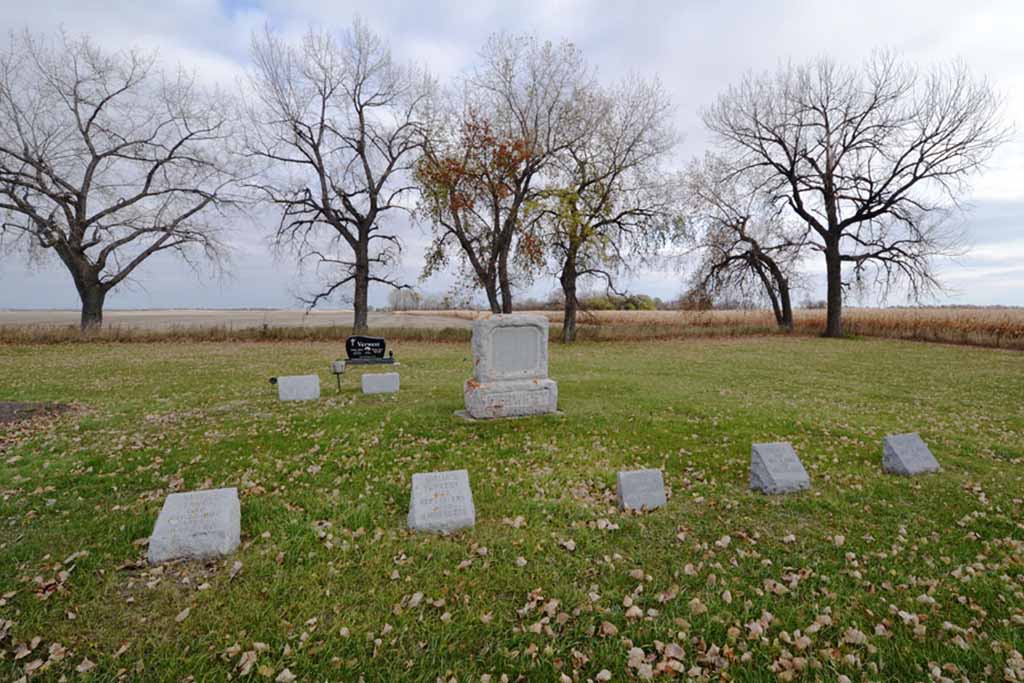
On a hill overlooking the city lies the Sherbrooke Protestant Cemetery, established in 1849. The wrought-iron gate creaked open as I stepped inside, its sound startling against the silence. Moss-covered tombstones leaned gently toward one another like weary old men whispering secrets.
I wandered among the graves, pausing at headstones with dates worn almost smooth by wind and rain. Some bore names I’d seen on buildings downtown—founders, bankers, industrialists. Others belonged to children who had lived only a few days. The oldest monument I found belonged to a woman named Eliza Brewster, who died in 1852. Her epitaph read simply: “Faithful in All Things.”
There is something deeply humbling about reading the names of people who walked the same streets, drank from the same river, and built the same buildings I was now admiring.
8. Industrial Remains: The Paton Manufacturing Site
On the banks of the Magog stands the skeletal remains of the Paton Manufacturing Company, once a powerhouse in wool production. I joined a guided walking tour that began near the Paton Footbridge, a modern pedestrian structure that offers sweeping views of both the river and the ruins.
The guide, a history student from Université de Sherbrooke, explained how in its heyday, the factory employed over 500 workers. Most were women, many of them recent immigrants, who endured 10-hour days in noisy, lint-choked rooms. She showed us black-and-white photos of the factory floor—rows of women in white aprons, their expressions caught between pride and fatigue.
Standing there among the cracked bricks and rusted metal, I could almost hear the clatter of looms and the murmur of conversations in a dozen languages.
9. The Streets Speak French and Time
While Sherbrooke is officially bilingual, French is the music of the streets. On Rue King Ouest, I overheard elderly men discussing hockey scores in old Eastern Townships French—a dialect flavored by generations of intermingling cultures. Corner diners with neon signs served tourtière and pouding chômeur, dishes that go back to leaner times.
One rainy afternoon, I ducked into a 1920s-era café with stained glass windows and an original tin ceiling. As I waited for my bowl of French onion soup, I noticed a framed menu on the wall dated 1932. Coffee was five cents; liver and onions, fifteen. The current owner told me that the menu had belonged to her grandfather, who opened the place during the Depression.
She didn’t speak about history in academic terms. She told stories about ice storms, coal deliveries, and the days when people would trade eggs for credit.
10. A Night at the Théâtre Granada
The Théâtre Granada, built in 1929, still glows with Art Deco grandeur. I spent one evening there watching a Quebecois jazz ensemble. The interior—ornate plasterwork, red velvet seats, chandeliers that shimmer like frozen rain—feels more Paris than provincial Canada.
Before the show, I spoke with the usher, a college student moonlighting as a history buff. He told me how the theater had once shown silent films and vaudeville acts, and that for a time during the 1940s, it served as a USO venue for Allied troops training in the region. Some of the theater’s original mechanics—the hand-operated curtain rigging and projector booth—are still intact.
As the music filled the theater, I leaned back and let the history of the place wash over me like a tide.