1. Touching Down in Eastern Townships
Arriving in Sherbrooke felt like stepping into a postcard. Located in the heart of Quebec’s Eastern Townships, the city blends the warmth of a small town with the structure of a well-organized urban space. I had heard plenty about Sherbrooke’s vibrant student life, riverside trails, and laid-back French-Canadian charm, but I was particularly interested in how to get around efficiently without relying on costly taxis or wasting time on confusing routes. Transport logistics can either make or break a trip, especially when time is tight and experiences are many.
From the moment I unpacked my luggage in the charming inn just a few minutes from downtown, I began exploring my options: bus schedules, car rental locations, road signs, and even how locals commute. I spent several days immersing myself in the rhythms of Sherbrooke’s streets and transit systems, documenting not only how they work, but how to make them work for you.
2. Setting Up Base: Location Matters
Before diving into the transportation scene, one key choice shaped the success of my mobility throughout Sherbrooke: accommodation location. Staying close to Rue King Ouest, which is the city’s main artery, gave me quick access to bus lines, major intersections, and car rental offices. Rue Wellington Nord is another prime location, especially with its proximity to the University of Sherbrooke and bus connections. Choosing a place to stay within walking distance of one of the city’s core hubs made spontaneous movement much easier and cheaper.
3. Getting to Know the STS (Société de transport de Sherbrooke)
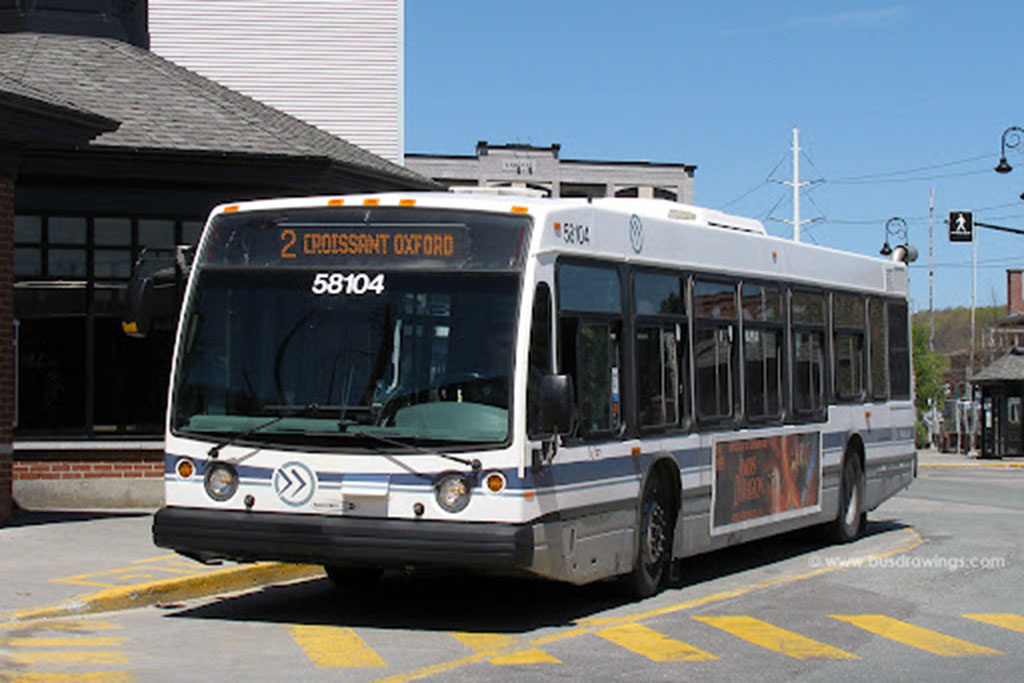
Sherbrooke’s public bus system is managed by STS, and understanding its structure was the first step in mastering the local transport game. It operates more than 30 routes that loop through neighborhoods, commercial areas, and nearby boroughs.
I picked up a physical map at the downtown terminal on Wellington Street and quickly realized that planning bus travel here requires a bit more intention compared to Montreal or Quebec City. The schedules are tighter, especially during weekends and evenings, and while the routes are reliable, timing is crucial. I began by downloading the STS app and pairing it with Google Maps to coordinate connections in real-time.
4. The STS App Experience
Installing the app (officially called “Transit” and powered by third-party data but recommended by STS) was a game-changer. It not only showed departure times and real-time bus locations but even alerted me when to get off. It works best with Wi-Fi or mobile data, so I made sure my phone plan covered data roaming. In a few instances, I had to switch from Google Maps to the app, particularly when the estimated arrival times were inconsistent, but the app generally stayed accurate within a 2–3 minute window.
One thing I didn’t expect was how friendly the bus drivers were. On my second day, while headed toward Lac des Nations, I misread the direction of the 11 route. The driver kindly let me stay on until the bus looped back, and even suggested a better transfer point for the return leg. Small kindnesses like that made a big difference.
5. Key Routes to Know
There are several routes worth memorizing if staying in Sherbrooke for more than a day or two:
- Route 17 – Great for accessing downtown and the Carrefour de l’Estrie shopping center.
- Route 7 – Ideal for getting to Université de Sherbrooke and Mont-Bellevue Park.
- Route 11 – Connects to the north shore and residential districts; handy for visiting Lac des Nations.
- Route 3 – Covers Old North Sherbrooke and the Jacques-Cartier borough.
I rode each of these multiple times and found that buses ran most efficiently between 6:30 AM and 6:00 PM on weekdays. After that, frequency drops significantly. On Sundays, I made it a habit to check for detours or schedule changes, especially during local events like the Fête du Lac des Nations.
6. Fare Systems and Best Value Tickets
The standard adult fare is around $3.75 CAD, and it can be paid in cash on the bus, but exact change is required. I quickly realized that investing in a rechargeable Carte Multi from any Jean Coutu or participating convenience store saved time and money. It allowed me to preload 6 or 12 rides at a discount.
There’s also a day pass option, priced reasonably at $8.75 CAD, perfect for days packed with multiple stops. During one particularly busy day visiting the Sherbrooke Museum of Fine Arts, Marché de la Gare, and the Eastern Townships tourist office, the pass more than paid for itself.
I did notice that while monthly passes exist, they don’t make much sense unless staying for a full calendar month, as they don’t pro-rate based on your start date.
7. Exploring by Car: When It Makes Sense
Public transit covered 80% of my needs, but there were places a bus wouldn’t easily take me—like Parc National du Mont-Orford, the vineyards in Magog-Orford, or the peaceful backroads near Compton. For these, renting a car was necessary.
I used Enterprise Rent-A-Car, which had a branch on King Street. Booking in advance online ensured I got a compact vehicle at a reasonable rate. What surprised me was how smooth the entire experience was. The agent handed me a bilingual rental agreement, gave a rundown of Quebec’s road signage (not that different from the rest of Canada but still good to review), and even recommended scenic routes to reach the Orford lookout points.
8. Road Conditions and Local Driving Tips
Driving in Sherbrooke is a relatively calm experience compared to larger cities. Most roads are well maintained, though a few in the outskirts still carry signs of winter’s wear and tear. I used Waze instead of Google Maps when venturing beyond city limits, especially to avoid sudden roadworks.
One thing that stood out: many intersections here operate with flashing green lights or advanced green arrows. Getting used to the traffic signal system took a day or two, and I caught myself hesitating more than once, causing polite honks from behind. That said, local drivers were generally patient and courteous.
Parking was easy to find near tourist spots. The City of Sherbrooke uses ParkSmart meters, which accept cards and offer receipts. There’s also a mobile app that links your plate number to your parking session—a much easier alternative to walking back to the meter.
9. Blending Both Worlds: Strategic Use of Bus + Car
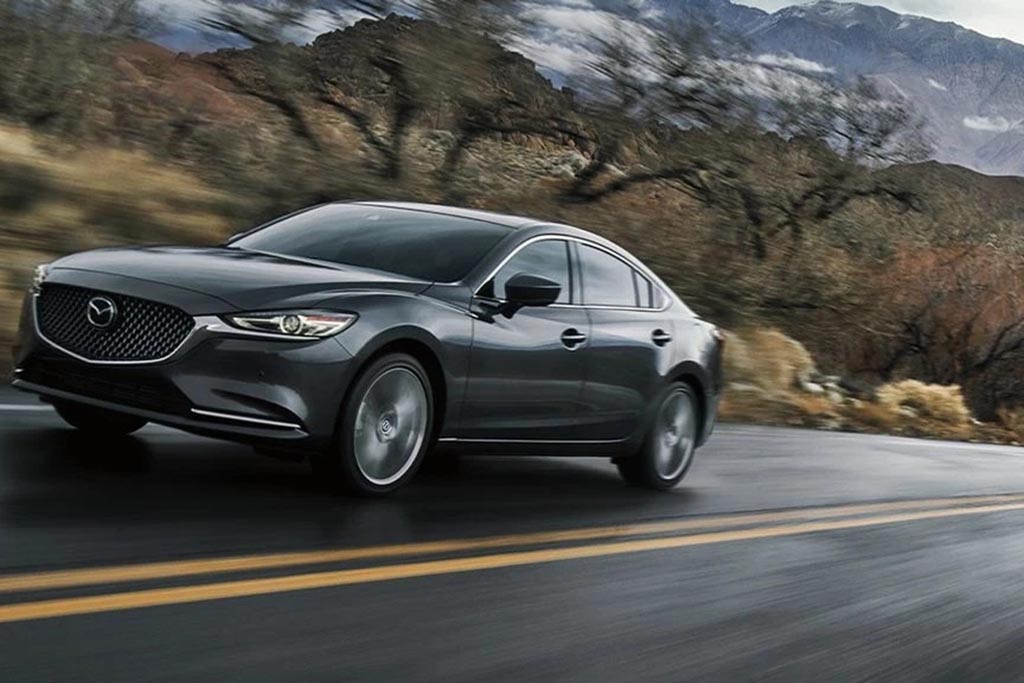
One of the smartest decisions I made was to split my transportation method based on the day’s itinerary. For example, during weekdays when traffic was heavier and destinations were central, I opted for the bus. On weekends or for wine-tasting trails and hiking adventures, I switched to a rental car.
A perfect example of this was a day trip to Coaticook. Taking a bus would have required multiple transfers and a minimum of three hours. Instead, I picked up a car early that morning, drove out on the 147 route, and arrived in just under an hour. That same evening, after returning the car, I hopped back on Route 17 to reach my dinner reservation in downtown Sherbrooke.
That flexibility—using both systems when they each made the most sense—gave me the best of both experiences.
10. The Hidden Perks of Traveling by Bus
Using the bus in Sherbrooke isn’t just about saving money or reducing emissions. It also gave me the opportunity to slow down and observe. On several rides, I noticed older couples conversing in melodic French, teenagers comparing notes about school exams, and workers waving to familiar faces as they disembarked. These moments added texture to the trip in ways a private car could never offer.
During one quiet morning ride on Route 7, I passed through the Université de Sherbrooke campus just as students were pouring out of lecture halls. That fleeting moment—of youth, possibility, and shared community—stood out as a subtle but powerful reminder of why traveling by public transit can feel deeply human.
11. Car Rental Logistics: Fuel, Insurance, and Extras
Fuel prices in Sherbrooke were relatively stable, hovering around $1.70 CAD per liter during my stay. I opted to fill the tank myself before returning the car, as rental agencies often charge a premium for refueling. Most stations were self-service and accepted international credit cards with no issues.
For insurance, I declined the agency’s full coverage because my credit card already included rental insurance. However, I did purchase roadside assistance coverage after a brief panic involving a flat tire in a rural lane near Ascot Corner. The agency dispatched help within an hour, and I was back on the road quickly.
As for extras, GPS rental was unnecessary thanks to mobile apps. But one rental agency offered a portable French-English phrasebook as a courtesy, which proved unexpectedly helpful when I needed directions in less touristy areas.
12. Looking Ahead: Transportation as a Lens
Transportation in Sherbrooke is more than a means to an end. Whether riding a clean, quiet STS bus along the Magog River or coasting down country roads surrounded by maple groves, movement becomes part of the experience. With a little planning, a mix of public transit and car rentals opens the city—and its surrounding beauty—in a way that’s efficient, affordable, and deeply enjoyable.
The next time I return, I already know the bus routes I’ll rely on and the days I’ll grab the keys to a car. With transit and the open road both in reach, Sherbrooke becomes more than a destination—it becomes a place you can truly navigate on your own terms.